5 Signs Your Business Is Ready for Automation
- Audax Ventures

- Apr 4
- 3 min read
Updated: Apr 10

Many growing companies begin to struggle as their processes become outdated, slow, and disconnected. In the early stages, manual processes, spreadsheets, and different tools for different tasks worked fine. As a founder, you could keep track of everything.
But as your business and team grows, small inefficiencies turn into major operational bottlenecks that slow down your growth.
This is where AI automation for small business comes in. Automation uses technology to take over recurring tasks and complex workflows. It reduces errors, streamlines how work gets done, and frees up time to focus on the work that actually scales your business.
But before implementing automation, you need to understand where your business needs it most. Automation should not be implemented just for the sake of using the latest technology. It needs to be calculated. Here are five signs that your processes are ready.
Table of Contents:
Sign 1: Your Team Spends Too Much Time on Repetitive Work
If your team is repeating the same tasks every day, that is one of the clearest indicators that automation can help. These tasks usually include:
Copying data between systems
Generating reports manually
Sending routine follow-up emails
Processing standard requests
They seem small on their own, but over time they add up fast. Ten minutes a day of repetitive work across a team can turn into hundreds of hours per year of wasted productivity. If a task is predictable and happens often, it is a strong candidate for automation.

Sign 2: Spreadsheets Are Running Core Operations
Spreadsheets are great tools. They are familiar, flexible, and easy to use. But as a company grows, there is a point where spreadsheets start acting as your primary operational systems and that is where problems show up.
You might see spreadsheets being used for:
Client management
Workflow tracking
Internal approvals
Operational reporting
That leads to duplicated data, manual updates, version conflicts, and limited visibility across the team. Custom software development can replace these spreadsheet-based systems with tools built specifically for how your business operates.

Sign 3: Your Software Tools Do Not Talk to Each Other
Most businesses run on a stack of different software tools: CRM systems, accounting software, project management platforms, and communication tools. Individually they work well. But when they do not connect to each other, your team ends up manually moving information between them.
That means:
Copying data between platforms
Updating records in multiple places
Manually triggering processes that should happen automatically
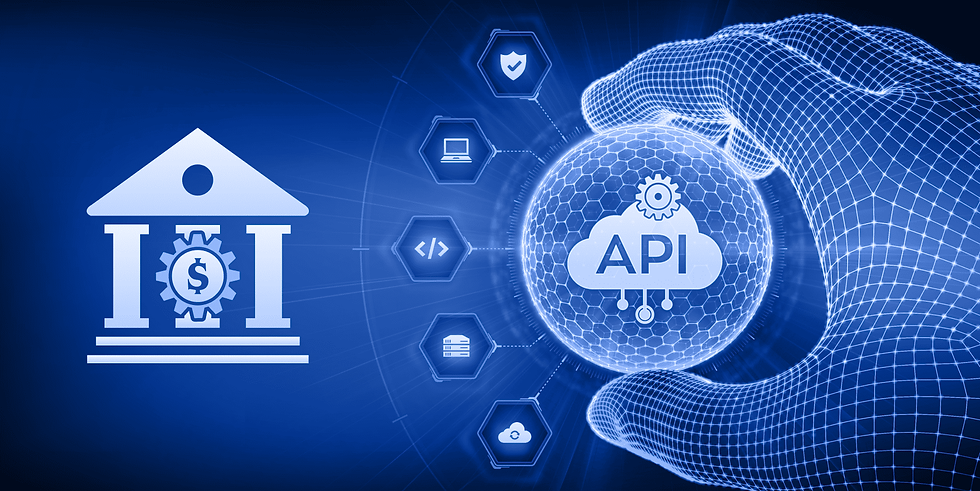
Automation and proper API integration can connect these systems so data flows between them without the manual effort.
Sign 4: Certain Processes Depend on One Person
This one usually shows up when someone takes a vacation. A process that relies on one specific person slows down or stops completely because only they know how it works.
This can involve:
Manual reporting that only one person knows how to run
Internal approvals bottlenecked by a single manager
Operational workflows with no documentation
Customer onboarding steps stored in someone's head
When processes rely on individual knowledge instead of structured systems, they become impossible to scale. A digitization strategy helps formalize these workflows so they run consistently no matter who is available.
Key insight: If your business would be in trouble when a specific team member is unavailable, that process is a prime candidate for automation and documentation.
Sign 5: Growth Is Creating Operational Friction
One of the most common automation triggers is growth itself. More customers, more transactions, more internal coordination. Without improved systems, that growth leads to more administrative work and puts strain on processes that worked fine with a smaller team.
Teams start spending more time managing operations instead of improving them. Automation at this stage helps businesses scale without scaling the manual work at the same pace.

What to Do Next
Automation is not just about implementing new technology. It is about designing better systems to sustain the growth of your business.
Instead of asking "how can we work harder?" start asking "how can our systems work better?"
If you are not sure where to start, Audax Ventures can help. We specialize in helping growing businesses improve their internal workflows and systems to reduce inefficiencies and manual processes.
Whether you need custom software development, a digitization strategy, or AI automation consulting, we work with businesses at any stage.
Book a free strategy call and let us figure out the best path forward for your business.